
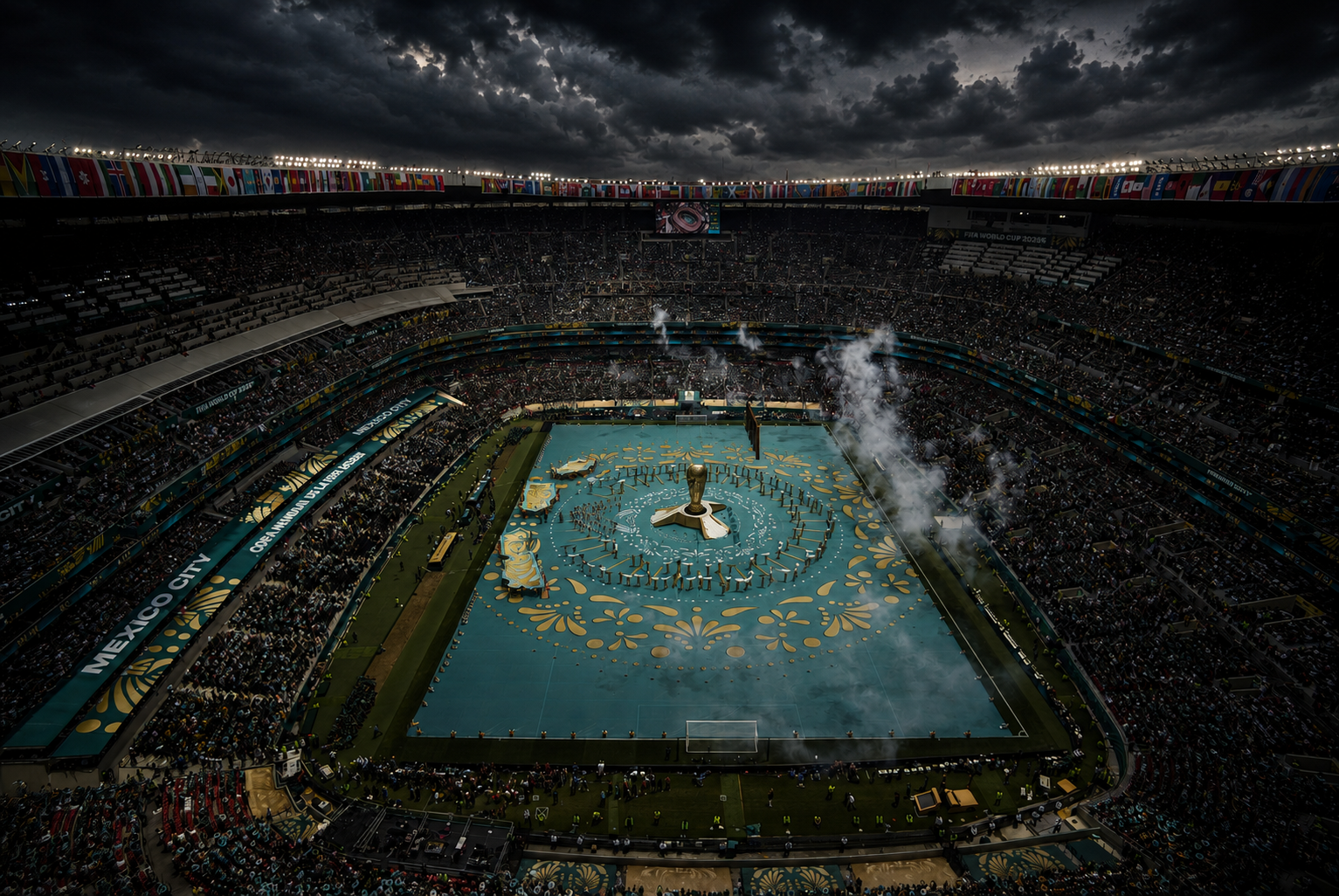

There is one thing I could not stop thinking about after attending two World Cups.
Stadiums do not create atmosphere. People do.
I went to Qatar in 2022 and to North America in 2026, and I went to both for the soccer and, being honest, for the hospitality. The rooms, the service, the way a host country decides to show itself to the people who travel for it. I watched Cristiano and Messi in what is almost certainly their last dance on this stage. Whatever else you think about the hosting, the format or the logistics, a World Cup remains the one event on earth that still puts strangers from everywhere in the same room and makes them care about the same ninety minutes.
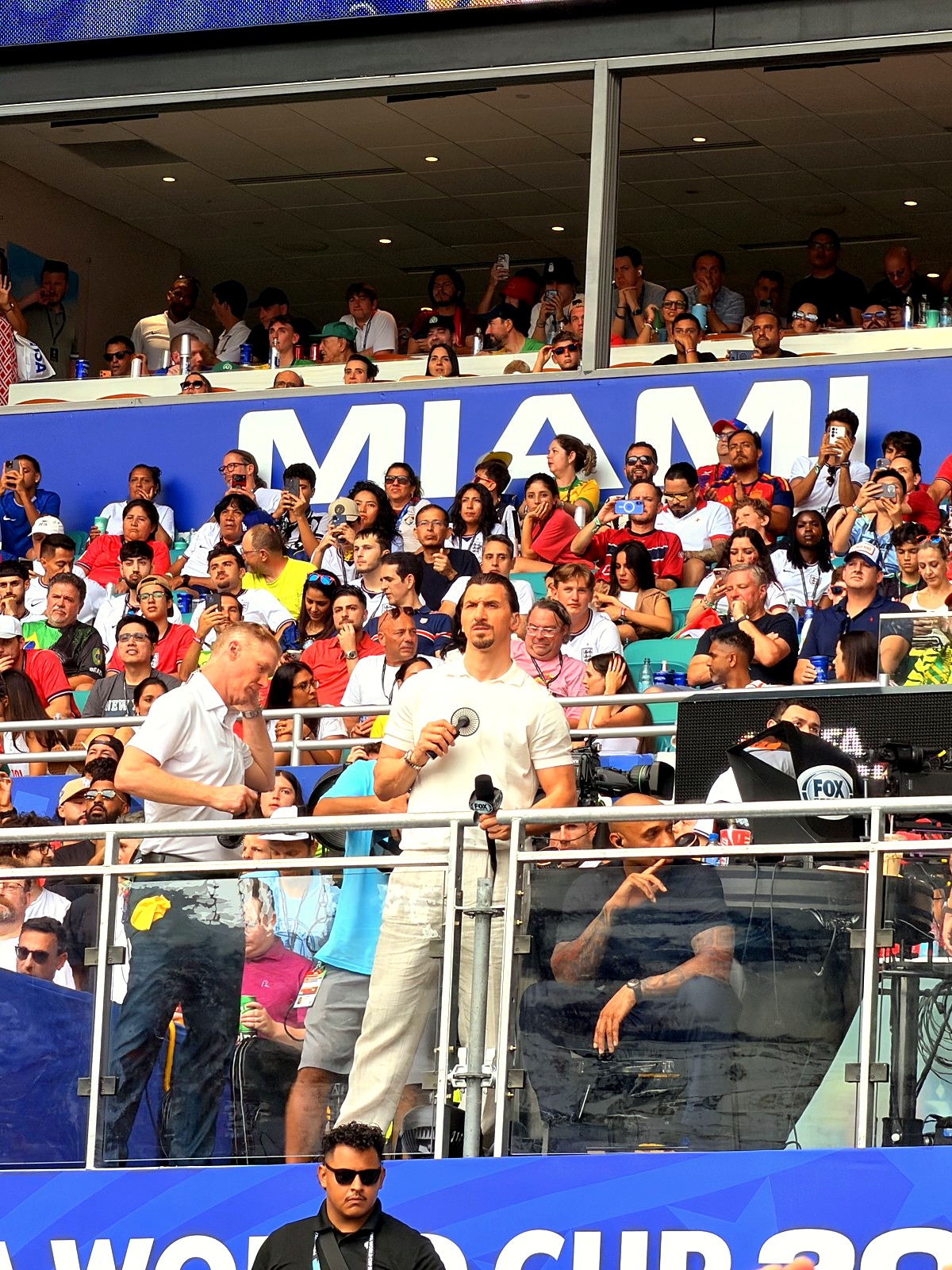
Qatar surprised me
Before the tournament, the conversation was dominated by politics, restrictions, and everything the country supposedly could not deliver.
What many of us discovered was something different.
Because the country was compact, the tournament never felt confined to the stadium. It spilled into the metro, the souqs, the hotel lobbies, the cafés and the public squares. Soccer became part of daily life. You could walk for hours without losing the feeling that the World Cup was happening around you.
From a hospitality perspective, Qatar overdelivered. I say that as a compliment and without making it political. It also matches what a great many visitors reported: how easy it was to move between venues, and how concentrated the fans were.
Then I arrived in North America
The stadiums were exceptional. The organization was world-class. Operations were nearly flawless. This tournament was the largest ever staged: 48 teams, 104 matches, 16 host cities across three countries, opening at the Estadio Azteca on 11 June and closing at MetLife Stadium on 19 July, with 78 of those matches played in the United States.
But something felt different. Not because of the infrastructure. Because of the people.
Every time I found the World Cup outside the stadium, I found Latin America
Mexicans. Colombians. Argentinians. Brazilians. Ecuadorians. Hondurans. Peruvians.
Fans who did not need an invitation to celebrate soccer. They brought drums. They sang in the streets. They filled hotel lobbies. They turned restaurants into watch parties. They hugged strangers after goals.
They reminded everyone that soccer is not something you watch. It is something you live.
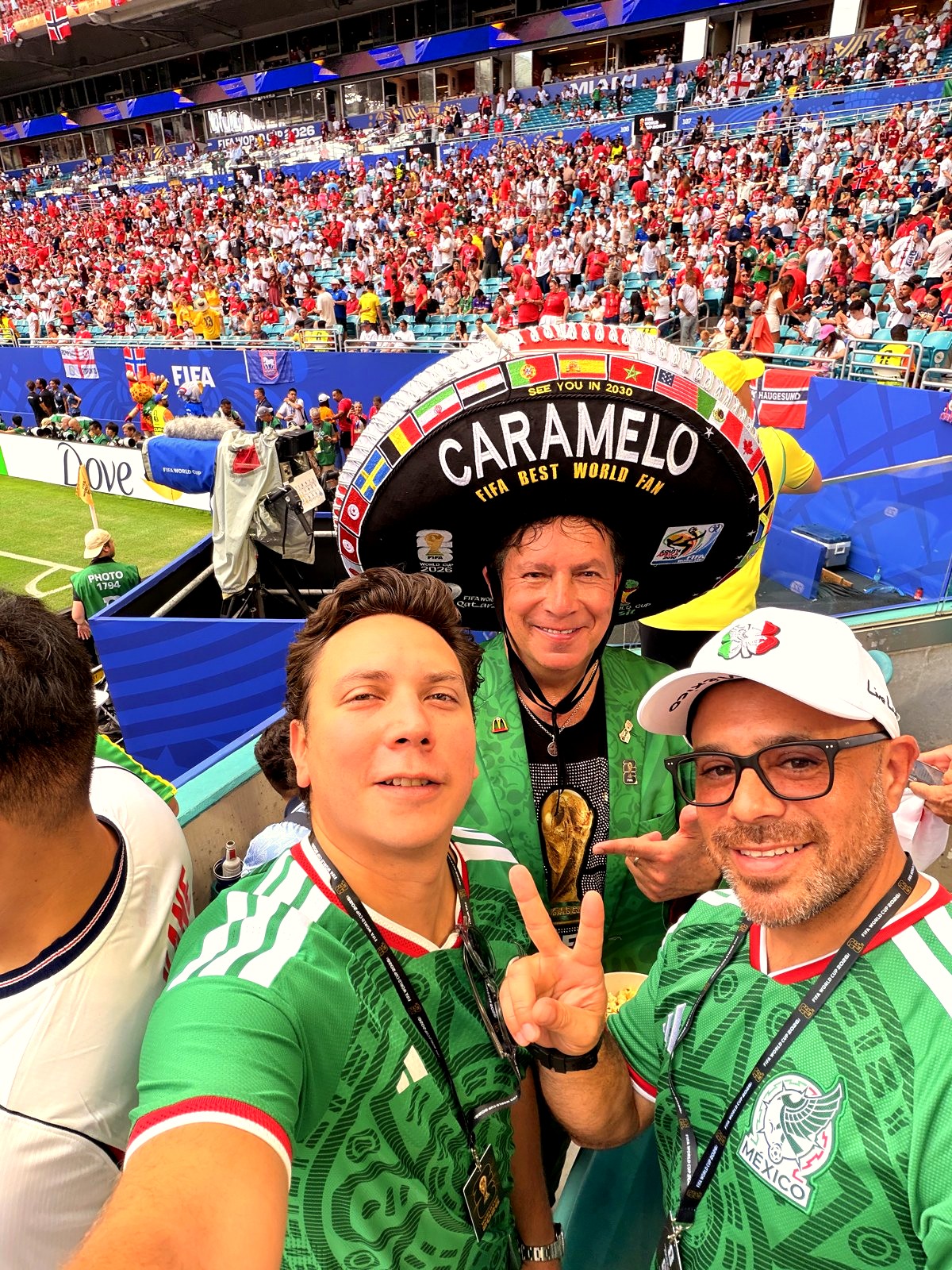
Mexico did not have to build anything
Not because Mexico organized the best tournament. Because Mexico already understands soccer culture.
Mexico did not need to create it for the World Cup. It simply opened the doors. The plazas were already alive. The restaurants already had televisions outside. The conversations were already about the match.
The World Cup did not arrive in Mexico. It returned home.
The single moment I will keep from all of it happened there. Standing in the Azteca for the Mexican anthem is not a sporting experience; it is closer to a civic one. A stadium that has now hosted matches at three World Cups, a song everybody in the building knows without needing a screen, and eighty thousand people deciding at the same instant to believe.
There is a phrase that comes with it, ¿y si sí? And what if we do? What if this is the year we actually make it? Mexicans say it half as a joke, because history has taught them to protect themselves. They say it anyway, every four years, and they mean it. There is no cynicism in that stadium. That is a rarer thing to witness than any match.
The United States built venues, not culture
I want to be precise here, because this is not a complaint about quality. The United States built incredible venues and ran them beautifully. Inside the ground, the experience was as good as anywhere in the world.
What it could not manufacture was soccer culture.
Because culture cannot be programmed. It has to arrive with people. Outside the gates, in most of the American host cities, ordinary life continued as though nothing was happening, unless a Latin American contingent had decided otherwise, in which case a hotel lobby or a restaurant terrace became, for an afternoon, the loudest place in the city.
If Qatar taught me that urban design matters, Mexico reminded me that culture matters even more. And if this World Cup proved anything, it is that whenever Latin Americans gather around soccer, they do not just fill stadiums. They transform entire cities.
What I took from it
As someone who works in hospitality, I left with one lesson.
Infrastructure creates comfort. Operations create efficiency. But people create memories.
Long after we forget the score, we will remember the Colombians singing in the subway, the Mexicans taking over the plazas, the Argentinians celebrating with strangers, and thousands of Latin Americans reminding the rest of the world that soccer has never belonged to a stadium.
It has always belonged to the street.
Photographs by the author. Tournament structure and schedule details are drawn from published FIFA and host-committee announcements.
Carlos A. Gómez Zambrano
Founder and Editor of GCC Media. In commercial aviation and engine MRO since 2015, and in Miami hospitality and restaurant marketing since 2016.
Founder profile →