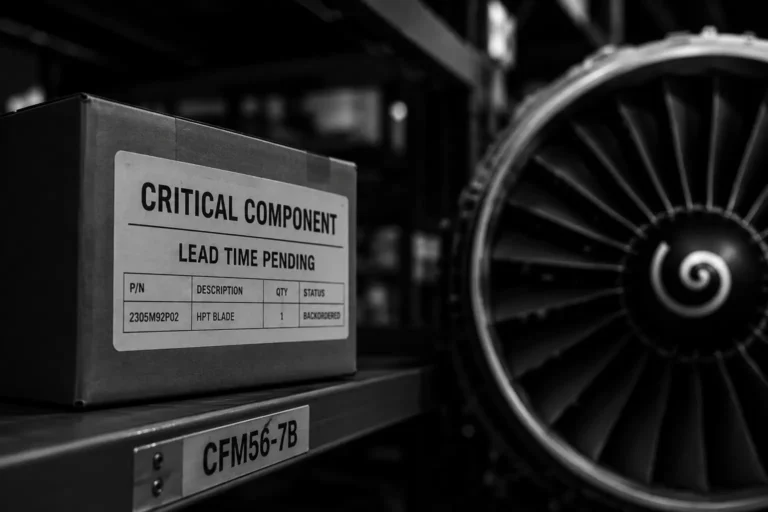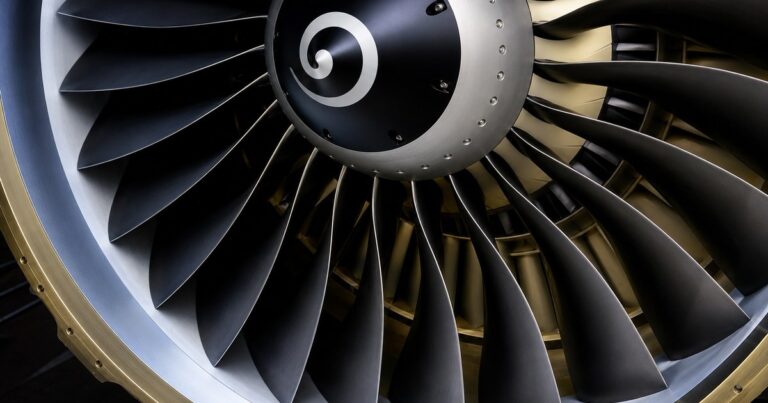
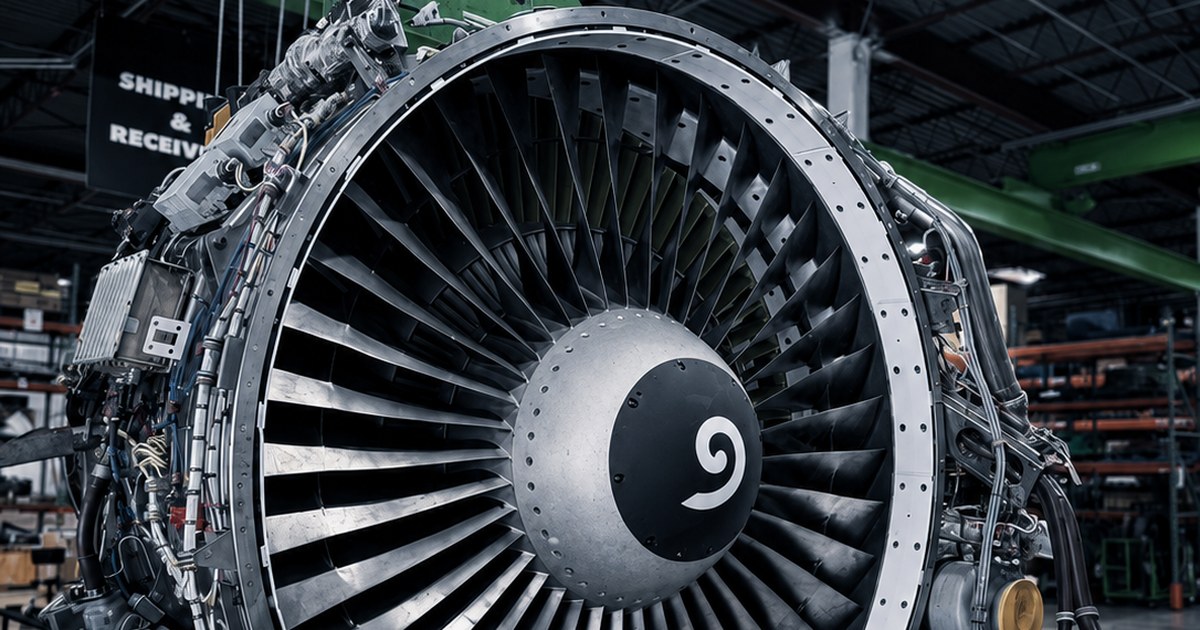

Walk down any jet bridge at Miami International and there is a good chance the aircraft waiting for you is powered by an engine you have never thought about. It has no consumer brand, no advertising, no name recognition outside the industry. Yet it hangs under the wings of the Boeing 737 and the Airbus A320. The two most common airliners on earth. And it has done so, in one form or another, for more than forty years.
It is the CFM56. And by almost any measure, it is the most successful jet engine ever built.
A partnership that shouldn’t have worked
The CFM56 exists because of a deal that was, at the time, unusual: a 50/50 joint venture between General Electric in the United States and Snecma, now Safran, in France. The company they formed in 1974, CFM International, paired American hot-section technology with French low-pressure and integration work. Two national champions, one engine, split down the middle.
The gamble paid off on a scale no one predicted. More than 33,000 CFM56 engines have been delivered, a production run no other jet engine has come close to matching. The CFM56-7B variant that powers the Boeing 737NG alone accounts for more than 15,000 of them, making it the single most common engine-and-aircraft pairing in commercial aviation history.
Built to be boring, on purpose
The CFM56 is a twin-spool, high-bypass turbofan. In plain terms: a large front fan moves most of the air around the engine’s core rather than through it, which is what makes modern jets quieter and dramatically more fuel-efficient than their 1960s predecessors. The first variant, the CFM56-2, entered service in 1982, initially re-engining older airframes and military tankers. The CFM56-3 arrived on the Boeing 737 Classic in 1984; the -5 series went onto the Airbus A320 family; and the -7B carried the 737 into the Next Generation era.
Across the family, thrust ranges from roughly 18,500 to 34,000 pounds. But the number the industry actually cares about isn’t thrust. It’s reliability. The CFM56 built its reputation on staying on the wing, dispatching on time, and doing it for years between shop visits. In aviation, boring is the highest compliment you can pay a machine. Boring is what keeps airlines profitable.
Why it still matters in 2026
The CFM56’s successor, the LEAP, is now the engine rolling off the line for new 737 MAX and A320neo aircraft. That might sound like the CFM56’s story is ending. It isn’t. It’s entering its most commercially interesting phase.
There are tens of thousands of CFM56 engines still flying, and they don’t retire quietly. Every one of them needs inspection, repair, overhaul, and eventually a decision: fix it, part it out, or lease a replacement. That is an aftermarket measured in decades and billions of dollars: shop visits, spare engines, used serviceable material, and the leasing arrangements that keep airlines flying while their assets are in the shop.
This is the part of the business the traveling public never sees, and it is exactly where South Florida sits. Miami is a hub not just for passengers but for engines, parts, and the capital that moves them. The subject of our first feature, The Engine Capital of the Americas. The CFM56 is a large part of why.
The takeaway
The CFM56 is a case study in how aviation actually creates value: not in the glamour of a new airframe, but in a reliable, unglamorous machine produced by the tens of thousands and kept alive for decades by an aftermarket most people never think about. The name will never appear in an airline’s advertising. But the next time your flight pushes back on time, there’s a strong chance you have it to thank.
Carlos A. Gómez Zambrano
Founder and Editor of GCC Media. In commercial aviation and engine MRO since 2015, and in Miami hospitality and restaurant marketing since 2016.
Founder profile →